Archive for the ‘Susquehanna River Watershed’ Category

THE RICH RAVINES OF THE LOWER SUSQUEHANNA, PART TWO, SPRING 2013

Thursday, May 23rd, 2013

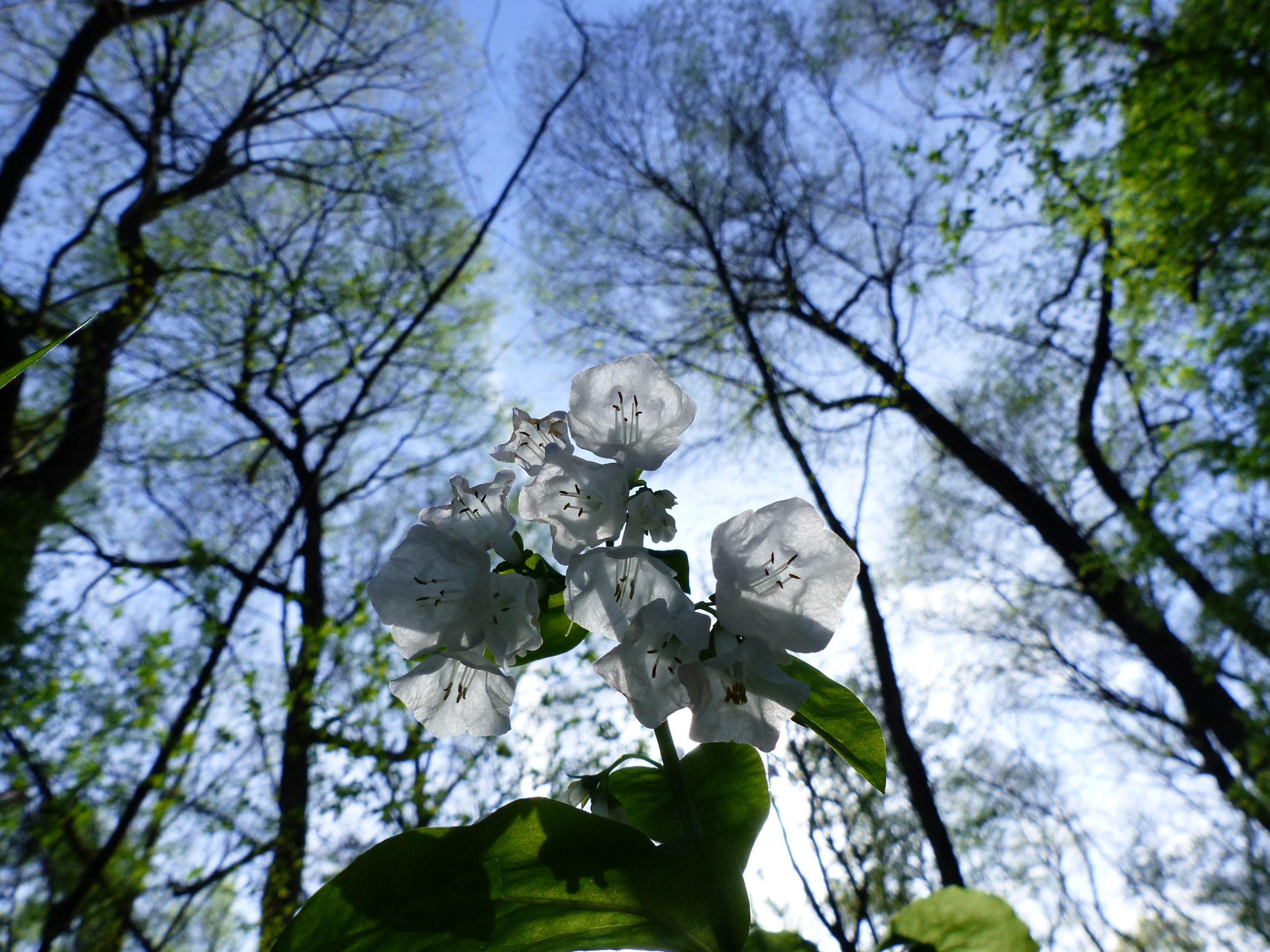
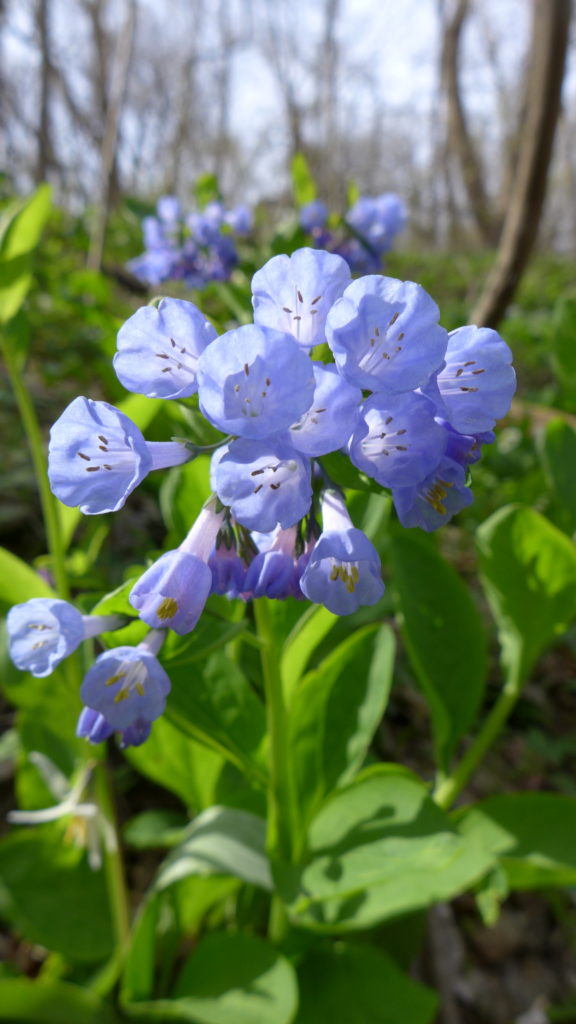
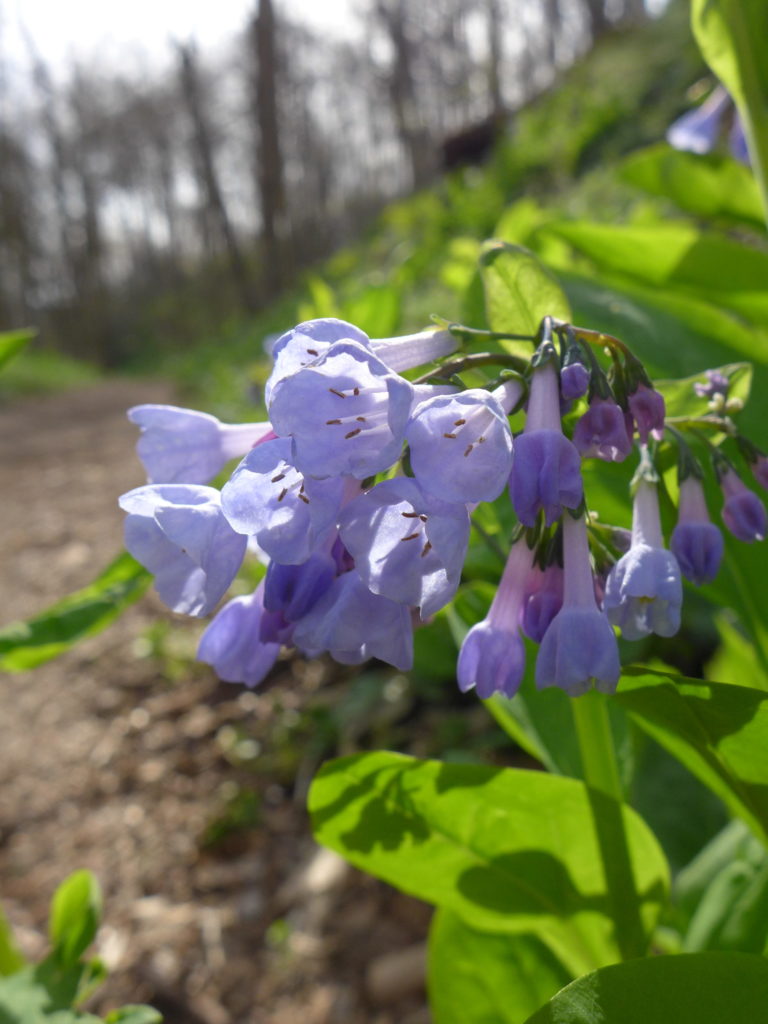
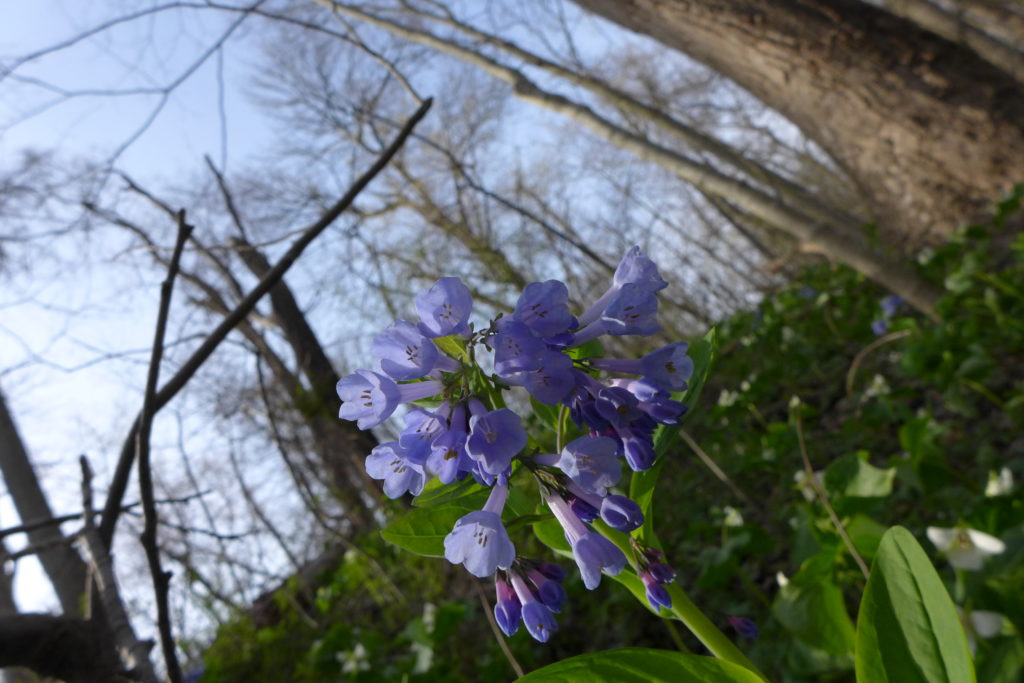
The Virginia Bluebell, Mertensia virginica, at Shenks Ferry Wildflower Preserve, as fresh and blue as can be!
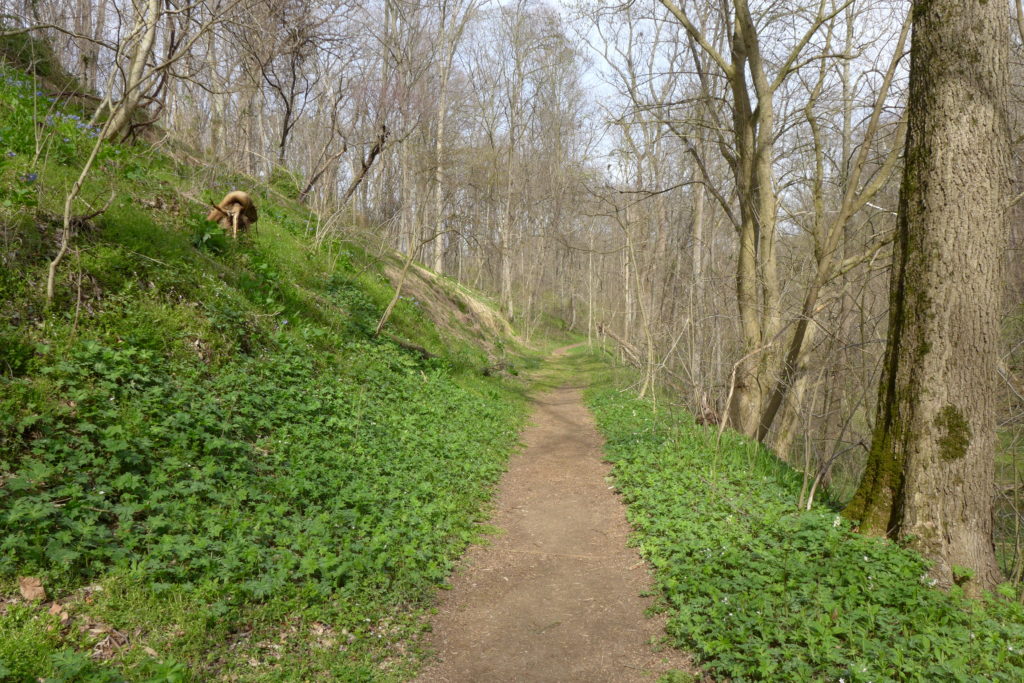
Winters are so much longer than Spring, so we are looking for ways to prolong Spring, to extend it somehow, so we can appreciate all of the changes, each one at a time, flower by flower, and every bright blue day and every rainshower!
SHENKS FERRY WILDFLOWER PRESERVE, MONDAY, APRIL22ND, 2013

SHENKS FERRY WILDFLOWER PRESERVE, MONDAY, APRIL22ND, 2013

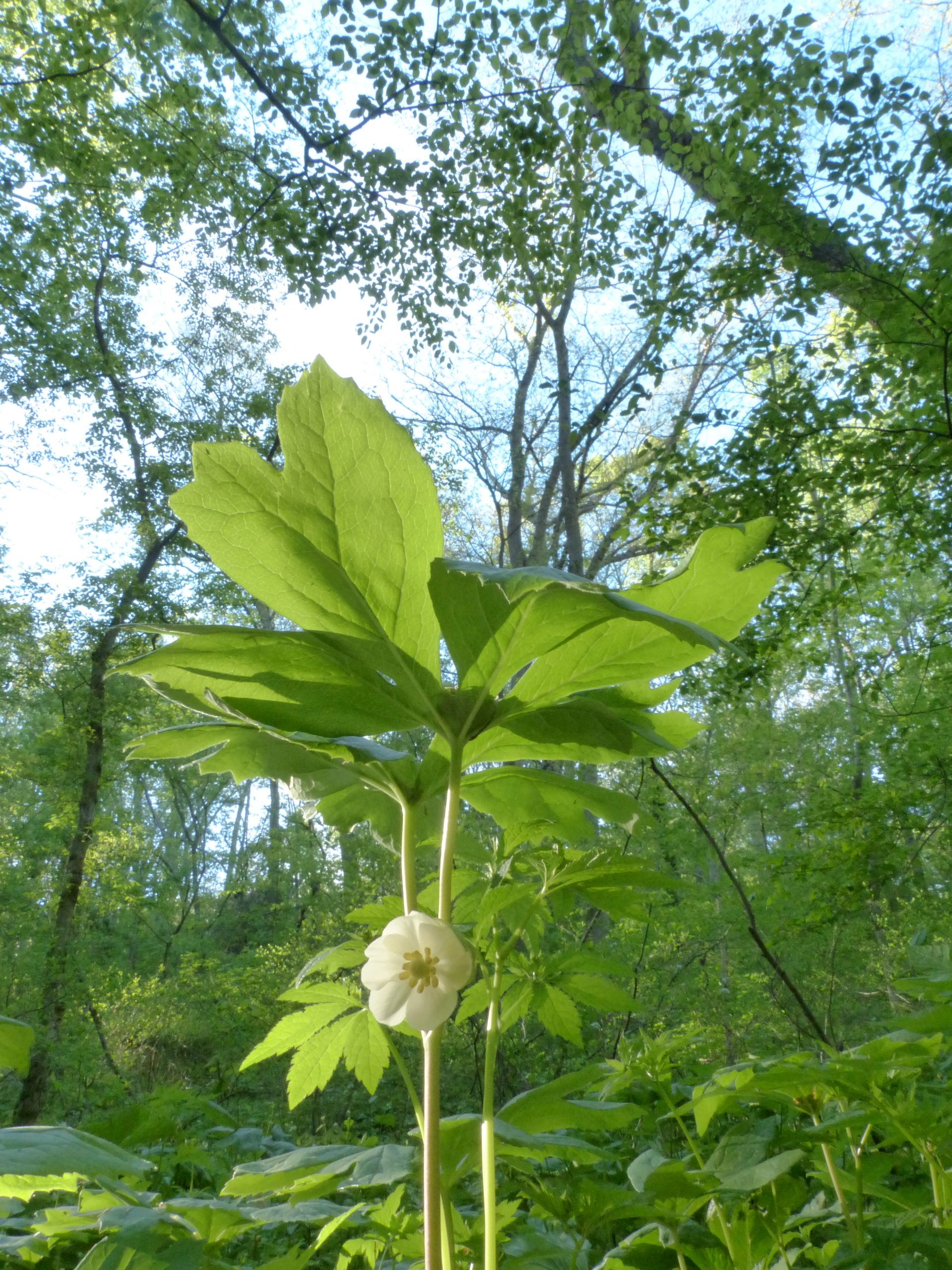
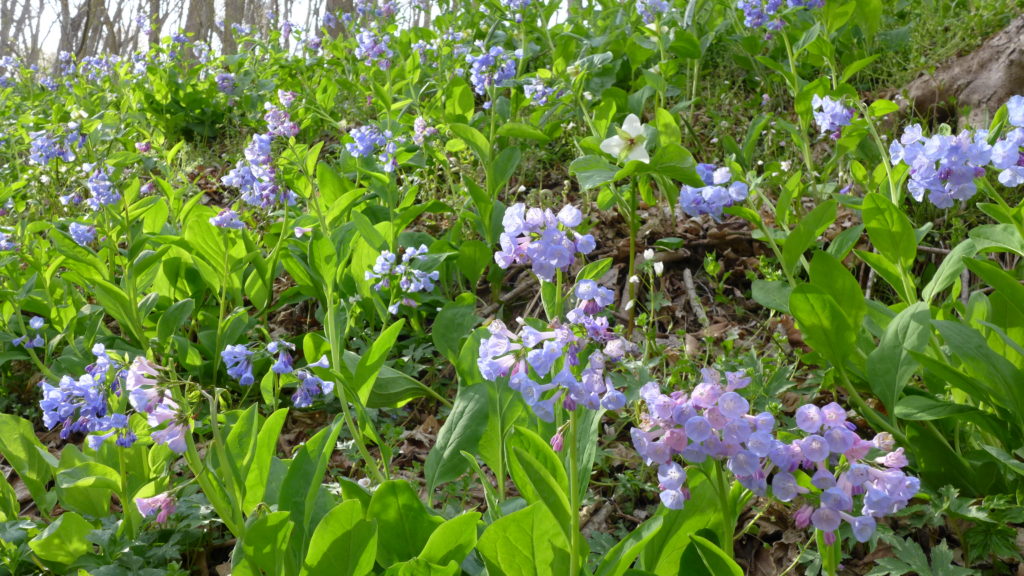
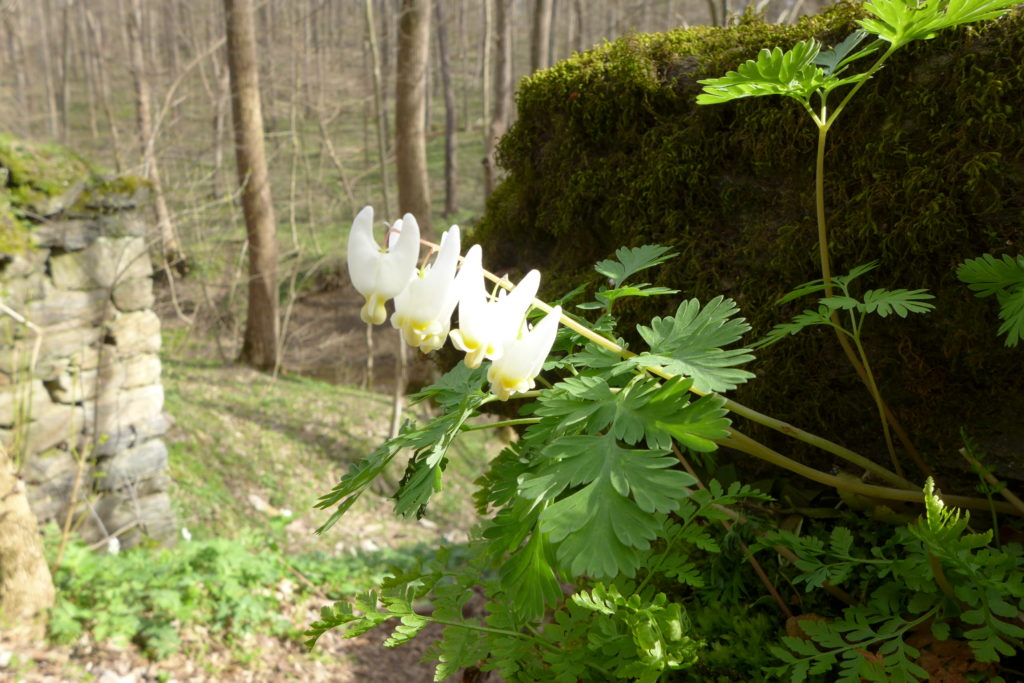
The Virginia Bluebells on the hillside, in the Susquehanna afternoon. We found the bluebells growing in massive quantities on the Susquehanna floodplain, along with the white variety and the pink varieties, all naturally occurring. We found Virginia bluebells growing alongside Mayapples and Spring Beauties, Dutchman’s Breeches and of course Trilliums. We found them blooming along the Schuylkill and the Delaware, and blooming in our own back and front yards, where we planted them, and now they are spreading and re-seeding themselves, covering once barren ground, damaged by invasives and disturbances, these cultivated Bluebells are now creating Spring, and extending it across the weary and torn urban soil.

We come to Shenks Ferry and we are reminded of our own yards full of Bluebells, how hard we have worked to repair the degraded gardens and restore them to a state of natural beauty. We gain confirmation of the conditions of natural beauty in a place like Shenks Ferry. These are conditions we want to have more of in our lives, close to us as the garden is, because natural beauty does not have to be something that is visited upon, when it can so easily be lived in, even in cities.

SHENKS FERRY WILDFLOWER PRESERVE, MONDAY, APRIL22ND, 2013

SHENKS FERRY WILDFLOWER PRESERVE, MONDAY, APRIL22ND, 2013

An inviting path through Spring itself- a walk into Shenks Ferry Wildflower Preserve.

It is perhaps especially in cities that the natural world can not only be preserved, but maintained- preserved by neglect to some degree, where agricultural practices have ceased in favor of development, leaving fragments of land untouched altogether-and maintained by urban dwellers aware of the needs of a natural area and eager to volunteer their efforts at upholding it.

The suburban model of land use is antithetical to natural lands conservation. Vast portions of land are dedicated to lawns. In effect, the suburbs use up much more natural lands than do cities per person. Housing development is consuming more and more land by the day.  Maintaining these lawns requires fuel resources that require more destruction to the environment. These lawns do not contribute to the natural ecology of the region and if homeowners do not maintain them, often they can be fined!

Driving to Shenks Ferry Wildflower Preserve we pass miles upon miles of mowed lawns and monolithic agriculture and the unmanaged lands we pass are just dense with invasive vines and weeds.

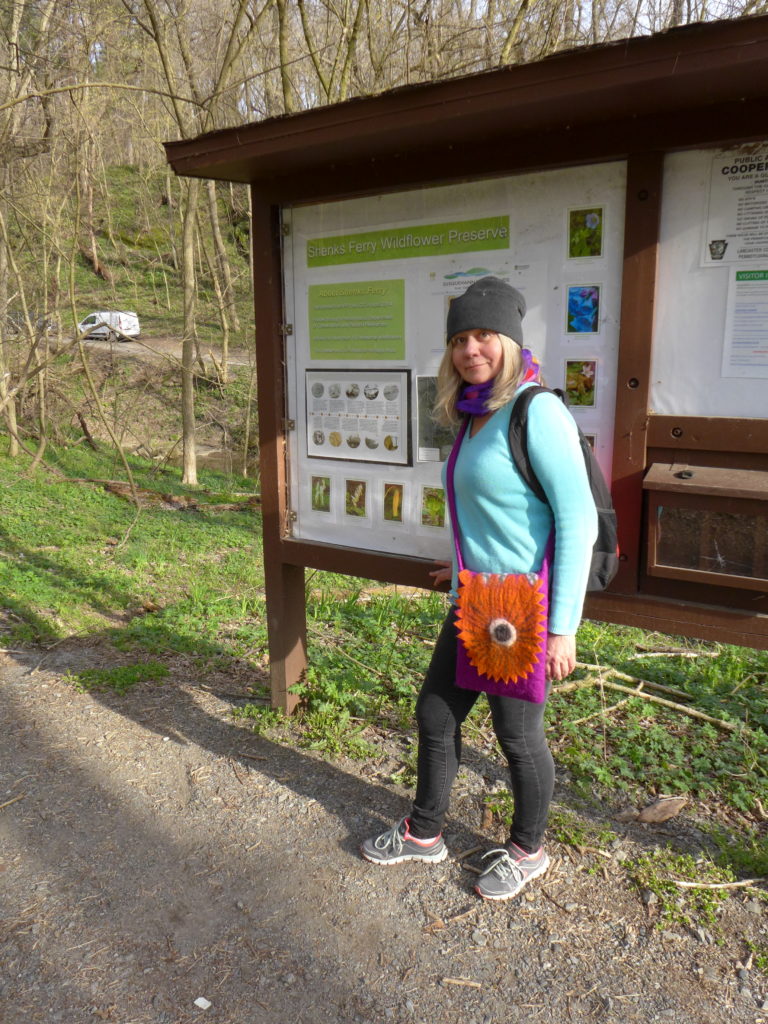
Arriving at Shenks Ferry Wildflower Preserve is so pleasant and inviting. It has that Home aspect to it, as if we are at a place we can relax and enjoy the beauty of the flowers, the walk and the views.

It is really neat to see all of the same plants we have in our  Philadelphia gardens, growing in a natural setting.

SHENKS FERRY WILDFLOWER PRESERVE, MONDAY, APRIL22ND, 2013

SHENKS FERRY WILDFLOWER PRESERVE, MONDAY, APRIL22ND, 2013

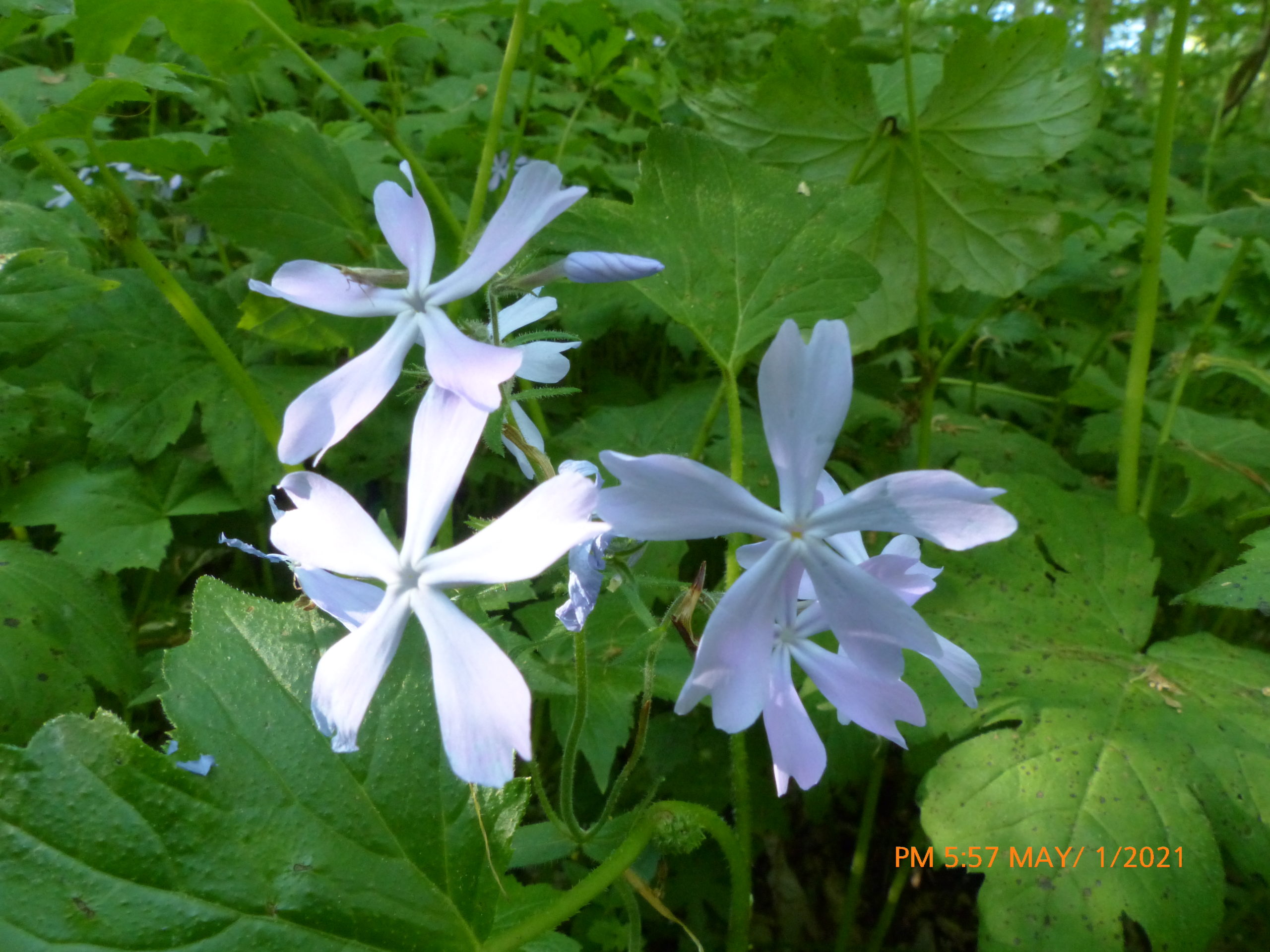
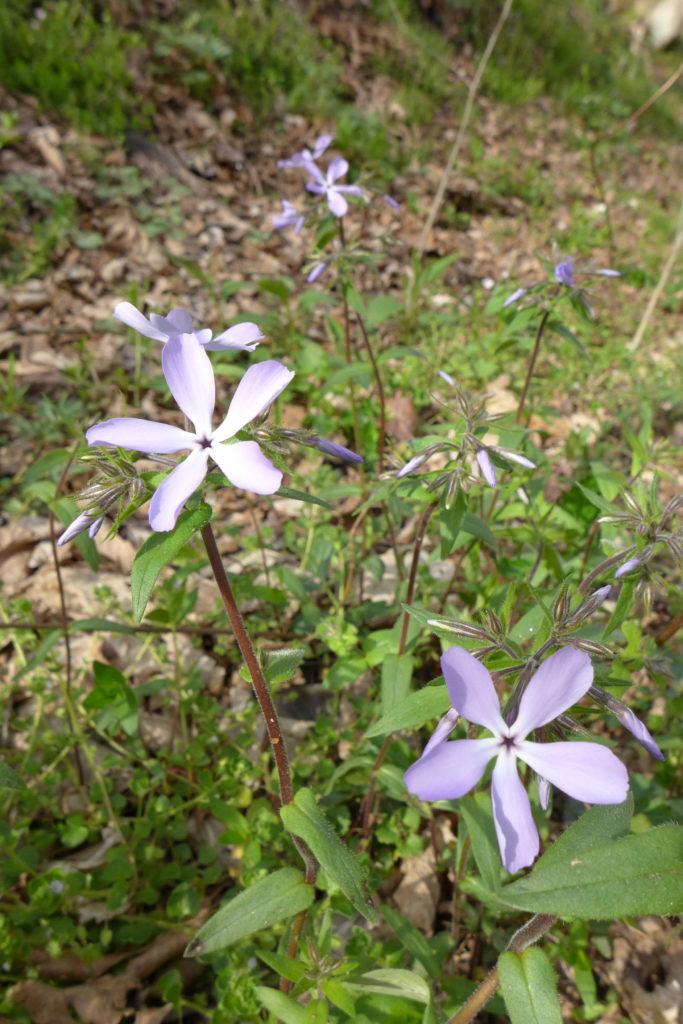
This woodland Phlox was in peak bloom at Shenks Ferry, lining both sides of the path, up and down the hillsides.

SHENKS FERRY WILDFLOWER PRESERVE, MONDAY, APRIL22ND, 2013

SHENKS FERRY WILDFLOWER PRESERVE, MONDAY, APRIL22ND, 2013


SHENKS FERRY WILDFLOWER PRESERVE, MONDAY, APRIL22ND, 2013

SHENKS FERRY WILDFLOWER PRESERVE, MONDAY, APRIL22ND, 2013


SHENKS FERRY WILDFLOWER PRESERVE, MONDAY, APRIL22ND, 2013

SHENKS FERRY WILDFLOWER PRESERVE, MONDAY, APRIL22ND, 2013

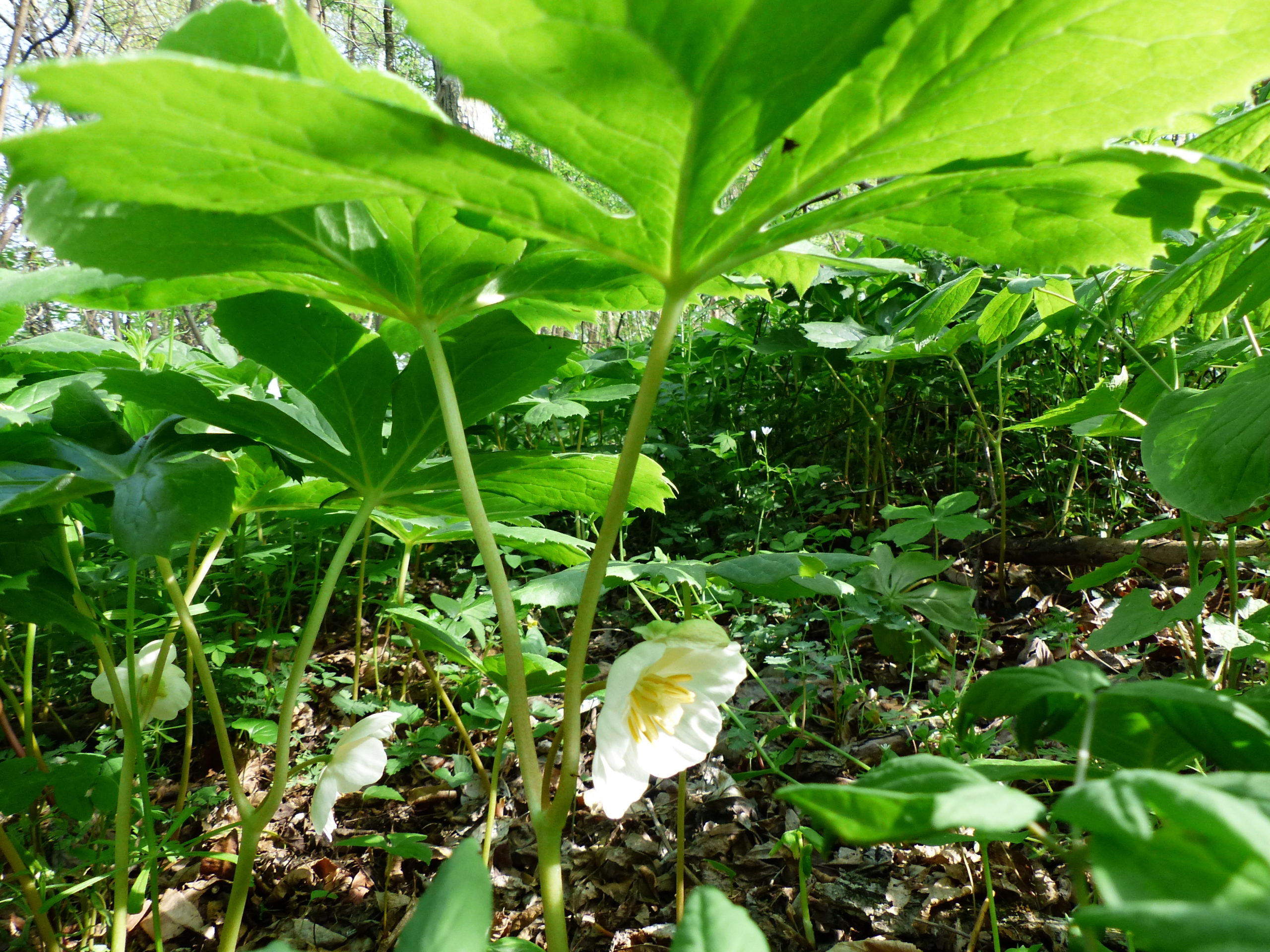
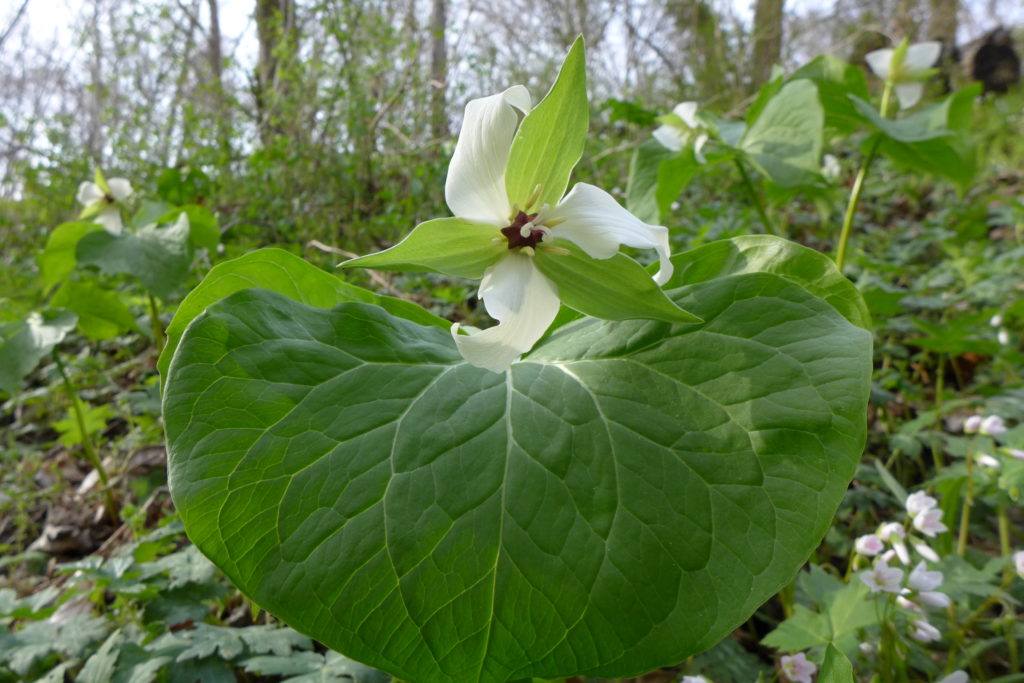
Above, the whole plant, from the ground level.

SHENKS FERRY WILDFLOWER PRESERVE, MONDAY, APRIL22ND, 2013

SHENKS FERRY WILDFLOWER PRESERVE, MONDAY, APRIL22ND, 2013

What has become very clear in our travels throughout the region in the past few years, in combination with our restoration efforts in Morris Park and our gardening adventures (most importantly), is that the beauty of a wildflower preserve can be re-created in our yards in a simple, easy way with no complications.  In fact, the pictures in the above photographs, for the most part, could have been taken in our Philadelphia rowhouse back yards, because we have have planted and cultivated the same wildflowers. We have been able to bring this enchanting springtime forest of blooming wildflowers home to our yards. We were able to purchase these plants at the local native plant nursery, and the numerous plant sales that happen every spring.  Like-minded friends with native plant gardens have also been generous with us,  sharing their plants.

From lawn to garden, the richness and beauty that this transformation culminates into when the birds come with their sweet springtime songs and bright colors as they feed upon and inhabit the garden is completed. This beauty is made from your hand that sculpts the rich garden from the desolate lawn. These exquisite songbirds that grace our soundscape in the early morning are completely dependent on the plants that grow in Shenks Ferry wildflower preserve- a stunning array of plants, trees and shrubs, all of them indigenous to the region, ecologically relevant and biologically connected to an ecosystem of thousands of species of plants and insects, all of them having co-existed here for millennia.   What a better place for the songbirds to rely upon for their life’s sustenance than the place their species has been going to for millennia. They are also potentially dependent on plants that you may have in your garden!

It is now possible to quantify which plants host certain species and which do not, and this creates a system of ranking, where certain plants may be nearly useless to their contribution to a habitat and some may be even harmful, and many being very productive, interacting with and sustaining many species of insects and the songbirds that rely upon those insects, for one example. As it turns out the plants that do the most harm or are nearly useless are from other continents and have evolved in an ecosystem with non-relevant species than the one they were recently introduced to.

What happened to the birds who relied upon the area of a suburban development that bulldozed the ecosystem and built houses with lawns?  As with all of the plants, possibly birds also experienced something called extirpation. Extirpation is something like extinction in that it means that a specific area of land or a region has experienced a loss of a species.  For any given area, an extirpation is very close to extinction. For a species to return to that area, the conditions would have to return to a former state, and hopefully that species extirpated would still be around to re-inhabit that area.

This can happen and it has. However, often an area that has experienced an extirpation needs to be restored to a state that can support the extirpated species, which will return as soon as it can. This is where we come in, we humans, gardeners, lovers of nature, wondering what we can do to help out, possibly questioning the lawns, thinking about ecological sustainability, loving songbirds, flowers, springtime, wishing we could be at Shenks Ferry Wildflower Preserve!

Reversing extirpation

We can do it! Humans have created the conditions that have resulted in extirpations of species, we can also be the agents of change in the restoration. At Shenks Ferry, we can see the great variety of plant species before our eyes.

Extirpation is often granted status at the state level, such as the species that have been extirpated from New Jersey. Considering that states have many sizes and can cover multiple ecological regions, it could be beneficial to the understanding of this process to view it on a smaller scale, especially if an extirpation truly occurs in a county, township, small park or natural area or a specific piece of private property, these need to be measured and given status. Consider Morris Park, Philadelphia, where sections of the park have been infested with invasives for a long enough time to crowd out the native flora, to the point that these plants no longer grow in the area they used to. These plants were locally extirpated from their ecosystem.

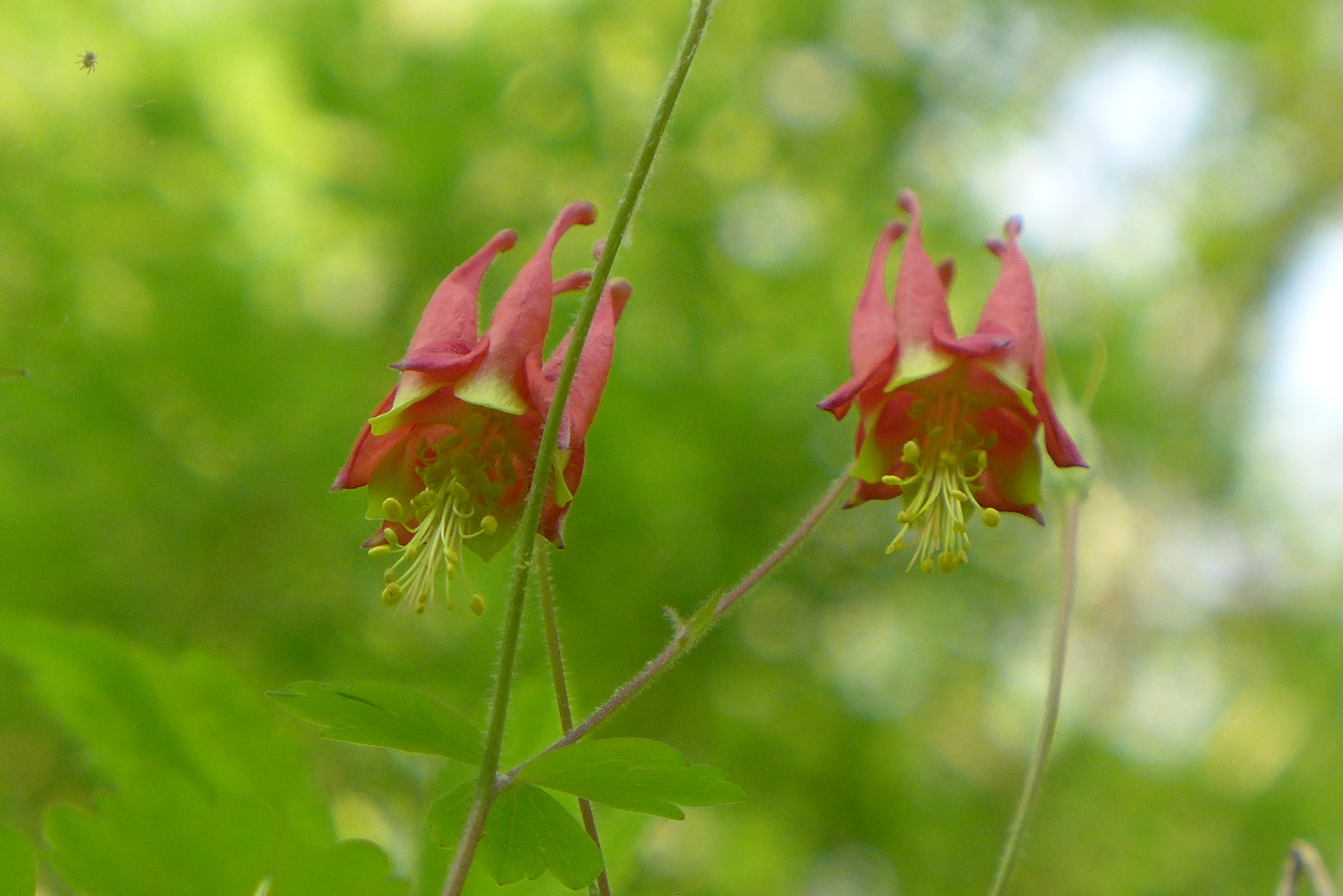
By removing the invasives in these areas, we have witnessed the self re-introduction of native species of plants, which now thrive in these formerly uninhabitable areas. Species such as Spicebush, the sole breeding-ground plant for the Spicebush Swallowtail butterfly, which now grows where it did not before.  This is where our garden and perhaps your garden comes in: after we cleared away the invasives in the garden and planted Lonicera sempervirens, the native red-blooming honeysuckle, which does grow in Morris Park, just next door, the Ruby Throated hummingbird began to visit our garden for the first time in our recollection!  We now have planted the native scarlet-red blooming Lobelia cardinalis, the Red Lobelia or Cardinal Flower, and the spring ephemeral, Red Columbine Aquilegia canadensis,  as well as  Bee Balm, Monarda didyma,  and we have encouraged the tubular, red-flowered  Campsis radicans vine to grow on a large brick garden wall that was crowded with the invasive Porcelain berry.

Except for the invasive exotic Porcelain berry vine, These are all plants the hummingbirds need for their survival.

We have witnessed the Hummingbirds visit these plants in our yards numerous times. Where before we had these plants there were no birds and now there are these Hummingbirds, we can only surmise that we have reversed the extirpation of this species in our own backyard. That and the Black Oaks, Tulip Poplars, Bloodroot, spicebush and the spicebush swallowtail butterflies that are now living in the area of the Park that was nothing but the invasives Multi-flora rose and Garlic mustard!

Reversing extirpation can be done, and it is so much fun and very easy, one little bit of place at a time…

SHENKS FERRY WILDFLOWER PRESERVE, MONDAY, APRIL22ND, 2013

SHENKS FERRY WILDFLOWER PRESERVE, MONDAY, APRIL22ND, 2013

The sun has begun to set in the beautiful Lower Susquehanna Valley, and we have chosen Shenks Ferry Wildflower preserve as the location to enjoy the golden light of Spring. Hillsides covered with blooming spring flowers and the canopy of trees green with the promise of a lush summer ahead, it is very quiet except for the sweet sounds of a few songbirds.

SHENKS FERRY WILDFLOWER PRESERVE, MONDAY, APRIL22ND, 2013

SHENKS FERRY WILDFLOWER PRESERVE, MONDAY, APRIL22ND, 2013

The path through Shenks Ferry is enchanting in the  Springtime early evening.

SHENKS FERRY WILDFLOWER PRESERVE, MONDAY, APRIL22ND, 2013

SHENKS FERRY WILDFLOWER PRESERVE, MONDAY, APRIL22ND, 2013


THE RICH RAVINES OF THE LOWER SUSQUEHANNA -PART ONE, SPRING 2013

Tuesday, May 7th, 2013

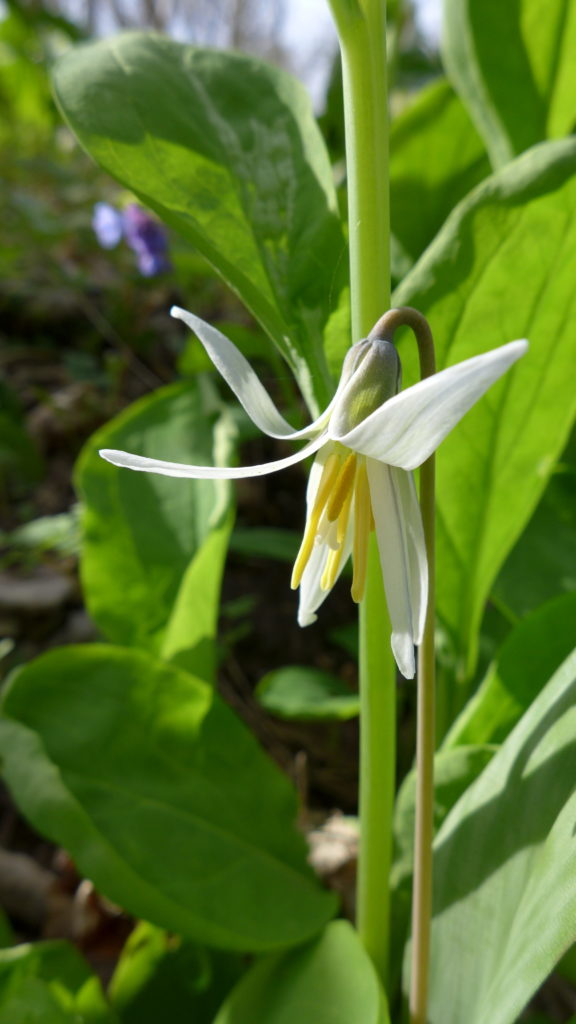
Late last summer we were here, enjoying the Paw-Paw trees and the Red lobelia when we came across the remains of a Bluebell on the forest floor. It was just a limp, yellowed piece of hay in the shape of a bluebell, and we looked closer at the forest floor, and started to see many more. It dawned on us that this was one of those special Bluebell places! We must plan to come back here in the spring. At the time the air was thick with the scent of very ripe Paw-Paw fruits and we were very much in the mood of the late summer and that was that.  But as this past winter carried on and on, this place remained in our Springtime dreams, and we finally set out to visit.  In the last post we mentioned our sighting of a white Bluebell, and here it is:

White Bluebells, Susquehanna State Park, Maryland

White Bluebells, Susquehanna State Park, Maryland

We will end this post with some amazing pink Bluebells.

It is a worthwhile exercise to focus on just one plant and learn it characteristics and its variability. As we have with Bloodroot, we are exploring the world of the Bluebell and finding more insights into the workings of genetics and ecology of this species. Growing them in a garden setting is a great way to have a hands-on experience with plants, which complements our observations of nature.

 Young leaves of the Paw-Paw tree, Susquehanna State Park, Maryland

Young leaves of the Paw-Paw tree, Susquehanna State Park, Maryland

And to come full circle, here is the Paw-Paw tree, having just opened up its fresh Springtime leaves amidst Christmas fern and a Mayapple.

  Young leavesSquirrel corn, Susquehanna State Park, Maryland

Young leaves and flowers of Squirrel corn, Susquehanna State Park, Maryland

Here a patch of Squirrel Corn (Dicentra canadensis) underneath a Spicebush. The invasive Japanese Honeysuckle vine on the right threatens the scene.

Susquehanna State Park, Maryland

Susquehanna State Park, Maryland

A pleasing and common sight in the rich ravines in this part of the world is the Trillium Erectum Var. Album x Flexipes, this a unique Trillium to this area, and of course there are many variations of this to be found on the hillsides up and down the Lower Susquehanna River.

This is a really fun place to come and explore the sometimes subtle botanical qualities of this exceptionally beautiful native Springtime woodland herbaceous plant.

We are growing a nursery propagated version of this specific variety in our garden, and we are on year two of flowering!

Susquehanna State Park, Maryland

Susquehanna State Park, Maryland

Above, Mayapples with Squirrel Corn. The fresh green leaves of Spring are so elegant and precious. This time of Spring is really the best time to take the time to view this amazing transformation.  Spring happens quickly for each species, and it is hard to predict when exactly which plant will be at its peak bloom, and if even the weather will cooperate!

Susquehanna State Park, Maryland

Susquehanna State Park, Maryland


 Ferncliff wildflower Preserve

Ferncliff wildflower Preserve


 Ferncliff wildflower Preserve

Ferncliff wildflower Preserve

Trillium Cernuum

Trillium cernuum, Ferncliff wildflower Preserve

Trillium cernuum, Ferncliff wildflower Preserve

Sometimes the most inviting paths are the most difficult to find.

 Ferncliff wildflower Preserve

Ferncliff wildflower Preserve

Below is the Trillium flexipes.

 Ferncliff wildflower Preserve

Ferncliff wildflower Preserve


 Ferncliff wildflower Preserve

Ferncliff wildflower Preserve


 Ferncliff wildflower Preserve

Ferncliff wildflower Preserve


 Ferncliff wildflower Preserve

Ferncliff wildflower Preserve

This Trillium was found deep in the Forest, where the trail was mostly overgrown with trilliums, Phlox and Bluebells, and we had to watch our step and at some point we had to turn around, so to not step on any plants, even as the trail blazes continued on painted on the trees ahead.  This Trillium exhibits the characteristics of three species, the cernuum, flexipes and the erectum!  Please comment if you have an observation about this unique specimen!

 Ferncliff wildflower Preserve

Ferncliff wildflower Preserve


 Ferncliff wildflower Preserve

Ferncliff wildflower Preserve

We arrived at the top of the Ravine to see a beautiful view of The Susquehanna, and saw more of the Pink Bluebells.

 Ferncliff wildflower Preserve

Ferncliff wildflower Preserve

This hollow log created a most pleasant setting for this vista of bluebells.

 Ferncliff wildflower Preserve

Ferncliff wildflower Preserve

This was the most magnificent Spring Wildflower Vacation!

 Ferncliff wildflower Preserve

Ferncliff wildflower Preserve


 Ferncliff wildflower Preserve

Ferncliff wildflower Preserve


 Ferncliff wildflower Preserve

Ferncliff wildflower Preserve


 Ferncliff wildflower Preserve

Ferncliff wildflower Preserve


 Ferncliff wildflower Preserve

Ferncliff wildflower Preserve


THE BLOOMING BLUEBELLS OF THE LOWER SUSQUEHANNA RIVER, MARYLAND

Thursday, May 2nd, 2013
Susquehanna State Park, Maryland.Sunday, April, 21, 2013 www.thesanguineroot.com

Susquehanna State Park, Maryland.Sunday, April, 21, 2013 www.thesanguineroot.com

This inviting trail on this Susquehanna State Park floodplain led us for miles along the majestic Susquehanna River. The trail wound through an enchanting forest rising from a sea of blooming bluebells. The blue of the fresh flowers complemented the deep blue of the river’s water and the bright blue of the Maryland Spring sky. Across the river we could see the hues of that delicate spring green on the trees, this the same green that was the backdrop of the rich, robust blues that dominated the forest floor all around us.

Susquehanna State Park, Maryland.Sunday, April, 21, 2013 www.thesanguineroot.com

Susquehanna State Park, Maryland.Sunday, April, 21, 2013 www.thesanguineroot.com

The hollow stems of the Mertensia virginica, the Virginia Bluebells, make for a delicate plant, easily crushed or broken off by the drop of a dead branch or the footsteps of animals, the leaves tender and floppy and richly green, leathery to the eye, but truly thin and never seeming to reach maturity- the leaves yellow and die before they ever become hardened or even tattered. This is a Spring plant that lasts as long as Spring lasts, flowering for weeks at a time, making it desirable in cultivation, as a garden beauty- actually the showpiece Spring garden planting as it produces masses of flowers of brilliant blue, right at the time when we gardeners and observers of natural beauty  yearn for anything green-and to have this luminescent blue in the inflorescence is astounding.

Susquehanna State Park, Maryland.Sunday, April, 21, 2013 www.thesanguineroot.com

Susquehanna State Park, Maryland.Sunday, April, 21, 2013 www.thesanguineroot.com

In the natural world, on its own, as it has been for millenia, this seemingly endless expanse of Bluebells here on this sunny April day along the riparian woodlands of the Lower Susquehanna, have us mezmerized.  We stopped on the trail to take in the sight of this vast population, growing in a forest of Sycamores, Paw-Paw and Red Maple…the beauty of the sight has no measure or quantifiable  relevance. What it is to just see the whole herbaceous layer, a completely blue inflorescence of native plants on the forest floor!

Susquehanna State Park, Maryland.Sunday, April, 21, 2013 www.thesanguineroot.com

Susquehanna State Park, Maryland.Sunday, April, 21, 2013 www.thesanguineroot.com

The blue of the sky and the blue of the river. The blue of the plants!  We are ensconced in blue.

Susquehanna State Park, Maryland.Sunday, April, 21, 2013 www.thesanguineroot.com

Susquehanna State Park, Maryland.Sunday, April, 21, 2013 www.thesanguineroot.com

On this bright, sunny day, we are very happy, and it is so enjoyable to walk for miles along the river and see this Springtime carpet of bluebells.

Susquehanna State Park, Maryland.Sunday, April, 21, 2013 www.thesanguineroot.com

Susquehanna State Park, Maryland.Sunday, April, 21, 2013 www.thesanguineroot.com

The very thought of them not being present becomes upsetting. We really love these flowers!  And we are not the only ones. The native bees are  very interested in them as well. Before the flowers bloom, they are pink.

Susquehanna State Park, Maryland.Sunday, April, 21, 2013 www.thesanguineroot.com

Susquehanna State Park, Maryland.Sunday, April, 21, 2013 www.thesanguineroot.com


Susquehanna State Park, Maryland.Sunday, April, 21, 2013 www.thesanguineroot.com

Susquehanna State Park, Maryland.Sunday, April, 21, 2013 www.thesanguineroot.com


Susquehanna State Park, Maryland.Sunday, April, 21, 2013 www.thesanguineroot.com

Susquehanna State Park, Maryland.Sunday, April, 21, 2013 www.thesanguineroot.com

A pink flower on this one! We see these from time to time, and sometimes completely white ones too. That natural variation of species is interesting to observe in a highly populated setting.

Susquehanna State Park, Maryland.Sunday, April, 21, 2013 www.thesanguineroot.com

Susquehanna State Park, Maryland.Sunday, April, 21, 2013 www.thesanguineroot.com

We can see to the horizon of this forest, bluebells all the way!

Susquehanna State Park, Maryland.Sunday, April, 21, 2013 www.thesanguineroot.com

Susquehanna State Park, Maryland.Sunday, April, 21, 2013 www.thesanguineroot.com

The gently winding trail through this natural area makes it look like a garden. For gardeners, nature is the true inspiration, and for trail builders and natural land managers, perhaps the garden is the best inspiration for trail design. How can a trail through this natural area be as inviting as possible and showing off the best views, all the while creating a sense of place so satisfying that there  is never a desire to leave the trail?  This trail wound its way along the floodplain, affording us spanning vistas of the Susquehanna from time to time, as well as leading us into the forests where we were surrounded by the bluebells.

Susquehanna State Park, Maryland.Sunday, April, 21, 2013 www.thesanguineroot.com

Susquehanna State Park, Maryland.Sunday, April, 21, 2013 www.thesanguineroot.com


Susquehanna State Park, Maryland.Sunday, April, 21, 2013 www.thesanguineroot.com

Susquehanna State Park, Maryland.Sunday, April, 21, 2013 www.thesanguineroot.com

It must be noted that when a plant emerges from the ground below, and creates the color of the sky above with such vibrant luminescence, that we are witness to a communication of minerals, living cellular organisms, and the physical properties of air and water, such as how they refract light waves, so that we see them as we do, the light is bent into the blue that we see-this communication we understand as colors that we appreciate.

For us, and possibly the bees too, the message is just that, just why we are attracted to the message. These plants may eventually benefit from such an attraction by humans, by being propagated and maintained as garden specimens, gaining an evolutionary advantage in a world where more and more natural areas are being consumed by developments that destroy them and then plant a monolithic strata of alien cultivated species that have no interactive  relevance to the immediate natural surroundings.

Bluebells are relevant to the immediate biosphere and we find them attractive.

Maybe only the native plants with the prettiest flowers to humans will survive, along with the toughest native weeds.

Susquehanna State Park, Maryland.Sunday, April, 21, 2013 www.thesanguineroot.com

Susquehanna State Park, Maryland.Sunday, April, 21, 2013 www.thesanguineroot.com

The delicate nature of Bluebells, so easily crushed, the flowers detach with the slightest pluck, they are truly the ephemeral nature of Spring. This is why we cannot wander off the carefully designed trails into the woods, because the Bluebells would be crushed immediately, and a heavily visited public park such as this, staying on the trails is paramount, for the Bluebells are for all, and all can destroy them so easily. To have what is left of the natural world in our area to be as wild as possible, and true to its origins,  then we must think of them as gardens, to be weeded of invasives and carefully trodden upon. At least in this part of the world, in this part of Maryland, and the heavily populated northeastern U.S., wild is something we have to maintain and become stewards of. While we cannot create the wild, we can stop destroying it and we can begin to restore it, even in our gardens.

The wild, as history unfolds, has turned out to be quite enchanting and mesmerizing, and ever so delicate!

Seeing right into the flower of the Bluebell, we are looking at Spring itself, right in the eye.

Susquehanna State Park, Maryland.Sunday, April, 21, 2013 www.thesanguineroot.com

Susquehanna State Park, Maryland.Sunday, April, 21, 2013 www.thesanguineroot.com


Susquehanna State Park, Maryland.Sunday, April, 21, 2013 www.thesanguineroot.com

Susquehanna State Park, Maryland.Sunday, April, 21, 2013 www.thesanguineroot.com


Susquehanna State Park, Maryland.Sunday, April, 21, 2013 www.thesanguineroot.com

Susquehanna State Park, Maryland.Sunday, April, 21, 2013 www.thesanguineroot.com


Susquehanna State Park, Maryland.Sunday, April, 21, 2013 www.thesanguineroot.com

Susquehanna State Park, Maryland.Sunday, April, 21, 2013 www.thesanguineroot.com